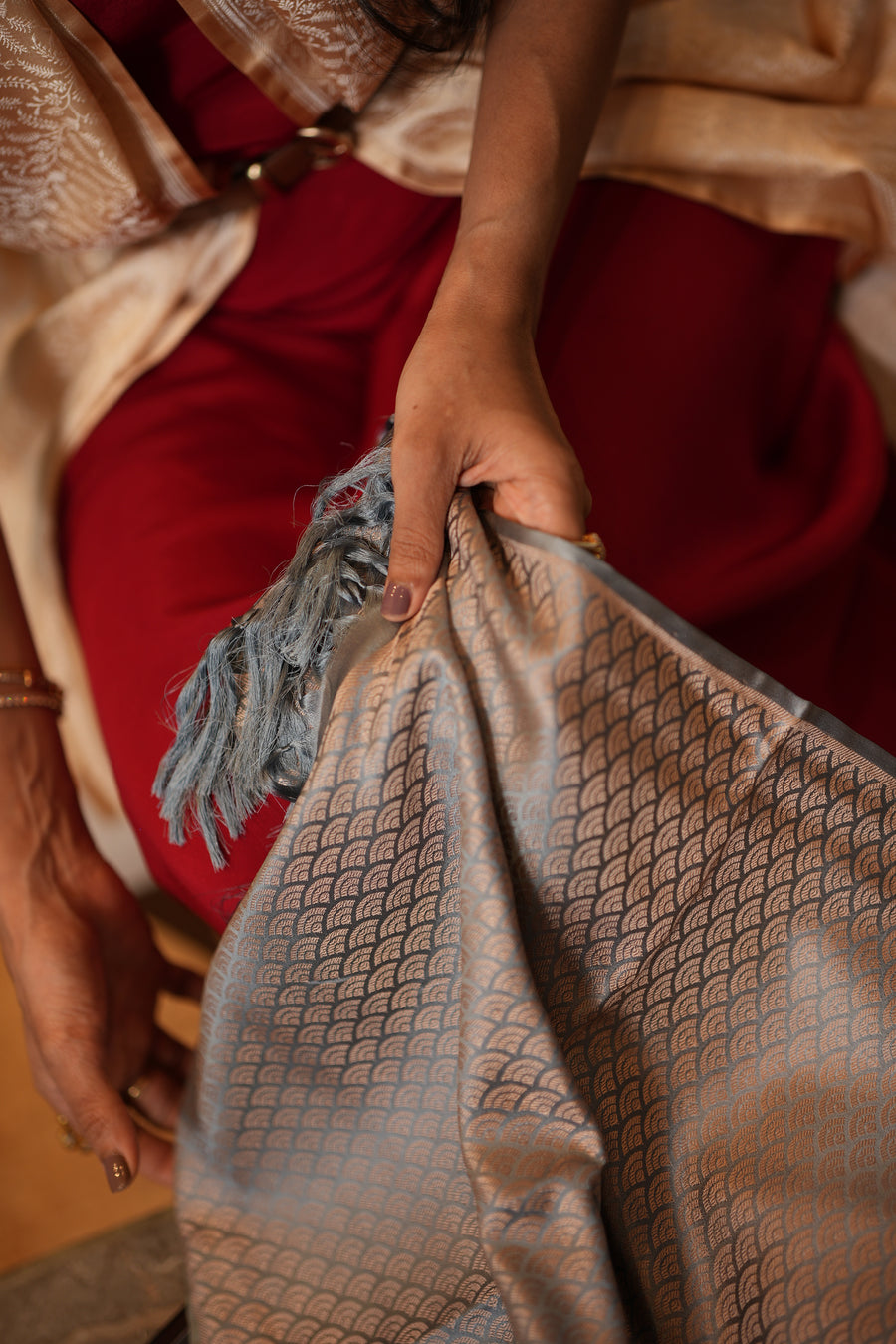
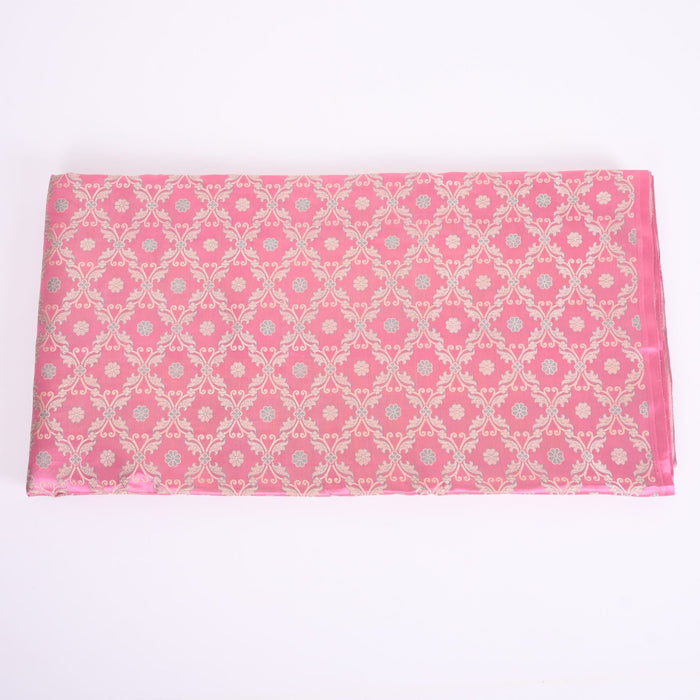
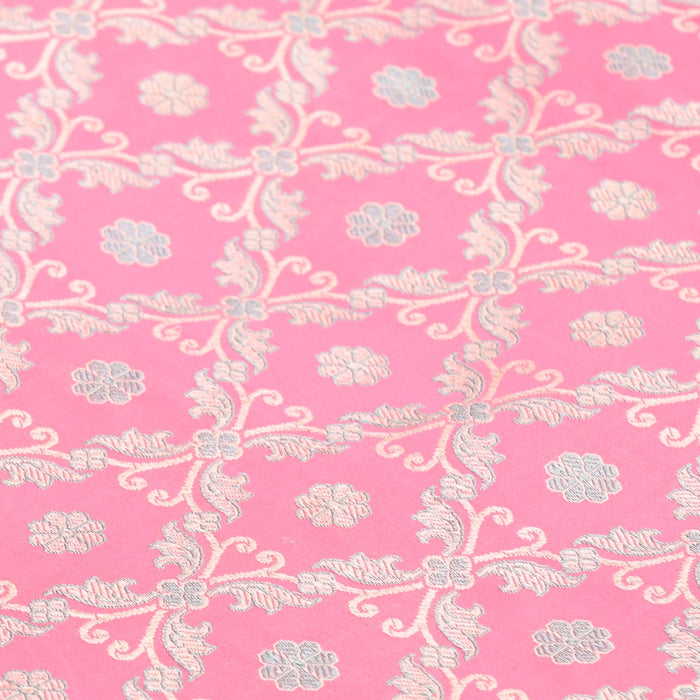

Pure Silk Fabric
Rs.4,850.00
Silk Fabric: A Luxurious Natural Textile Silk fabric is one of the oldest and most luxurious textiles in the world, admired for its smooth texture, natural sheen, and exceptional strength. It is a natural protein fiber produced primarily...
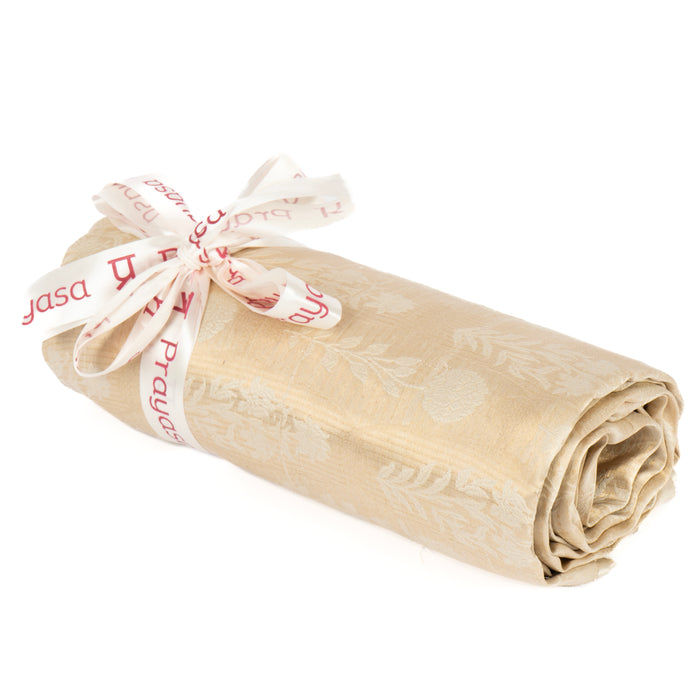
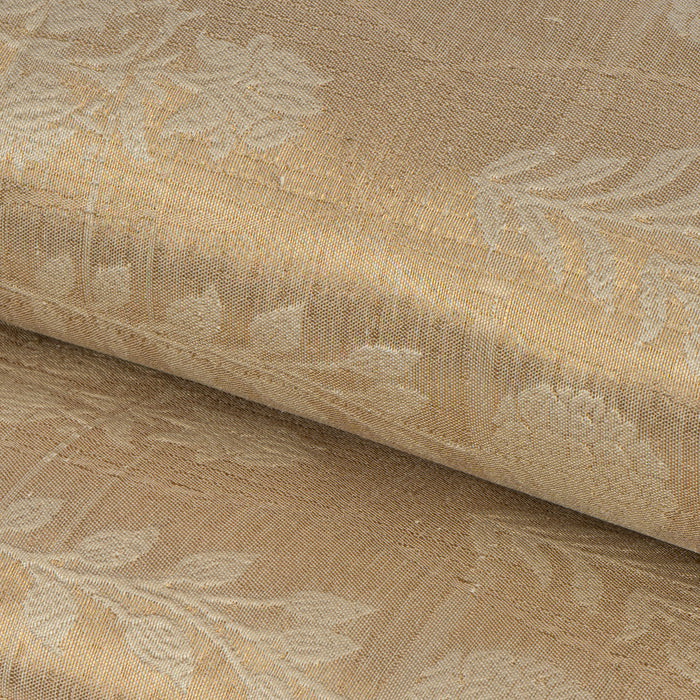
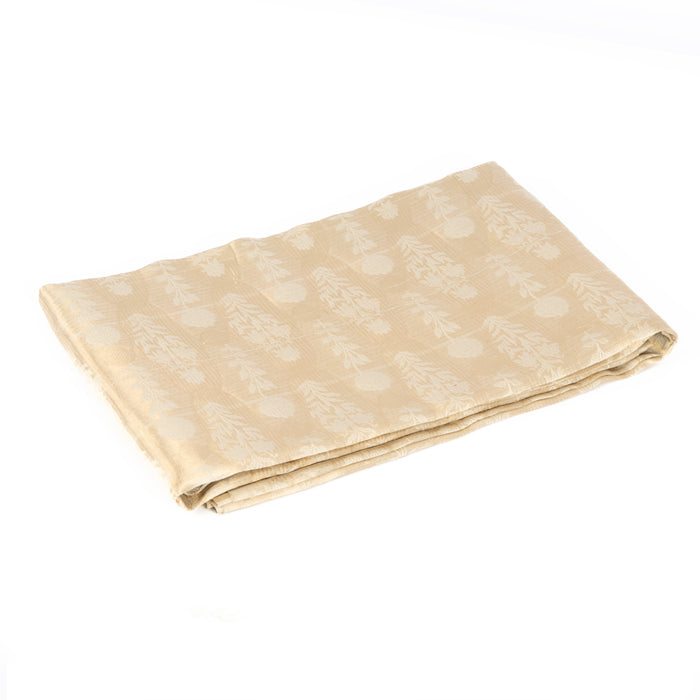

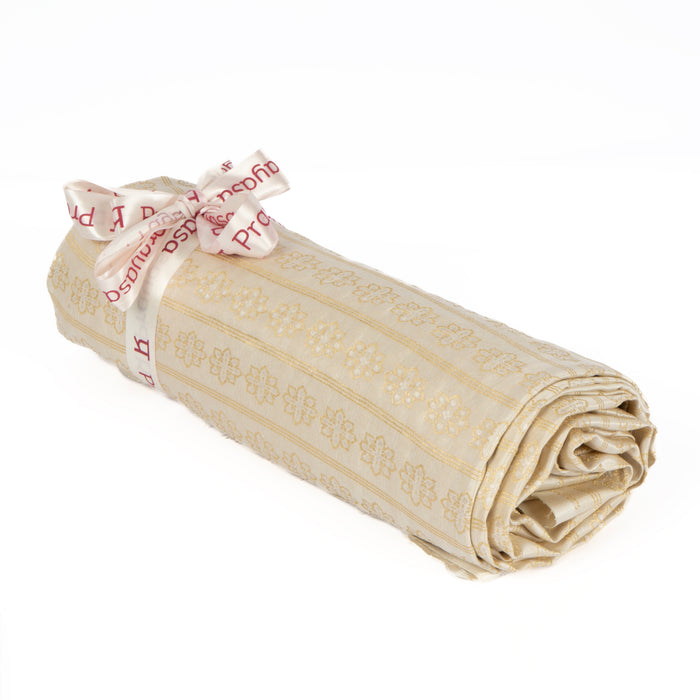
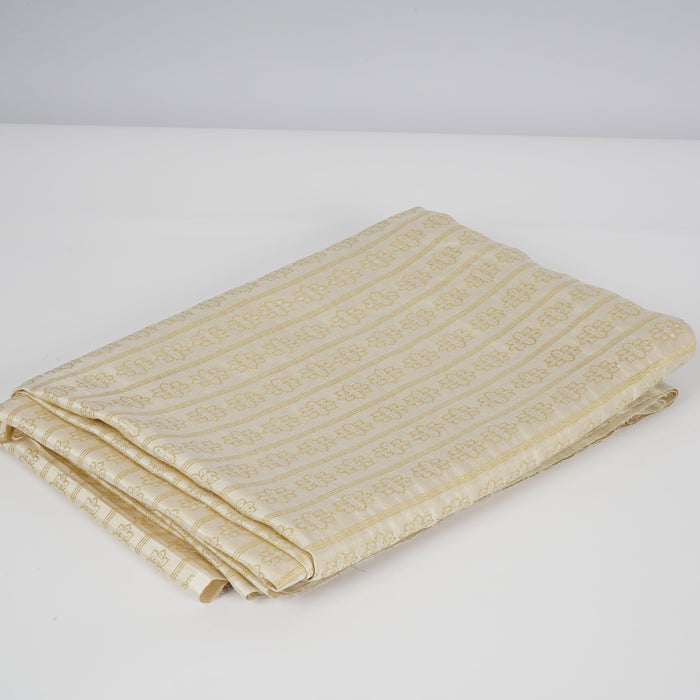

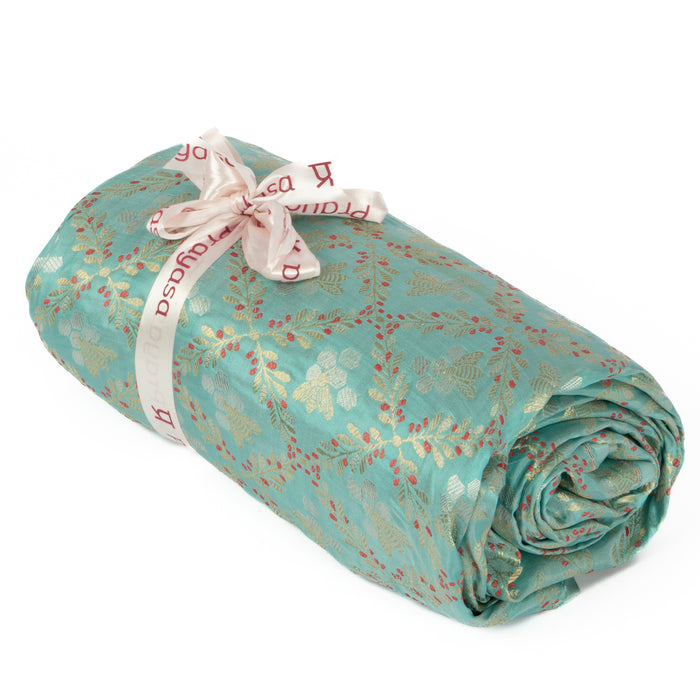
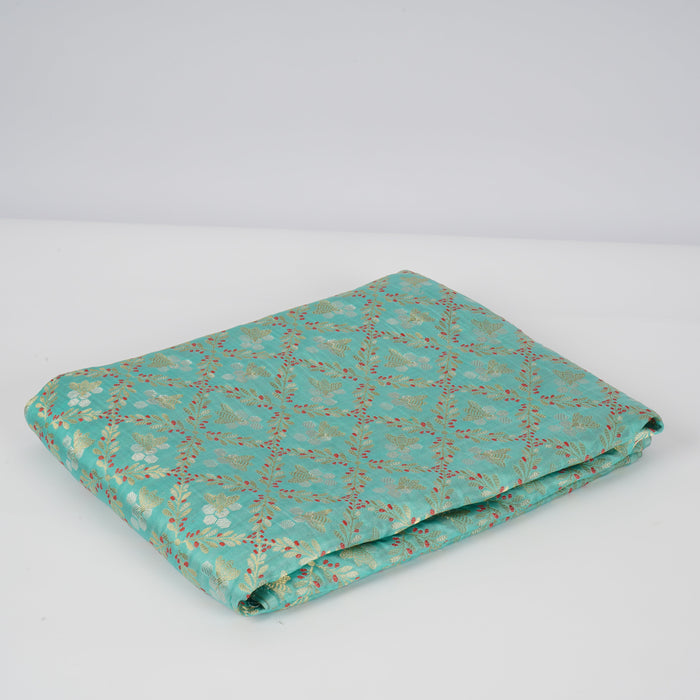

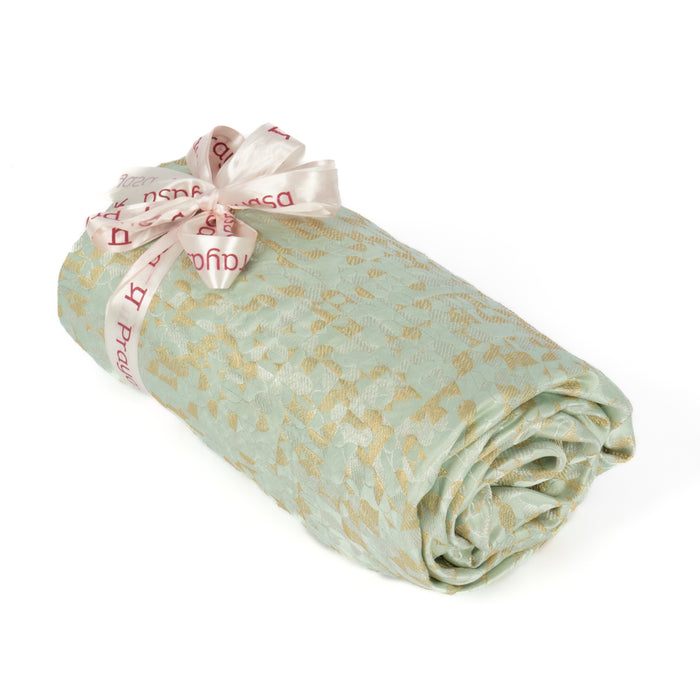
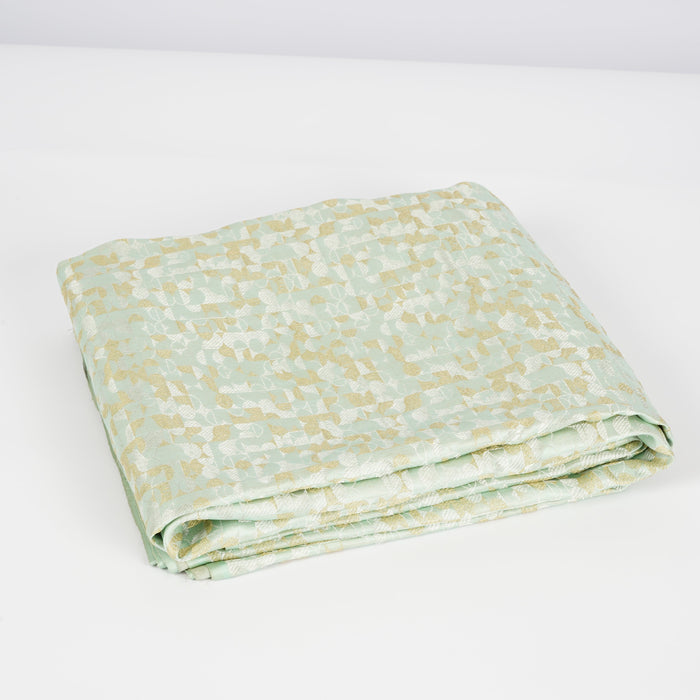

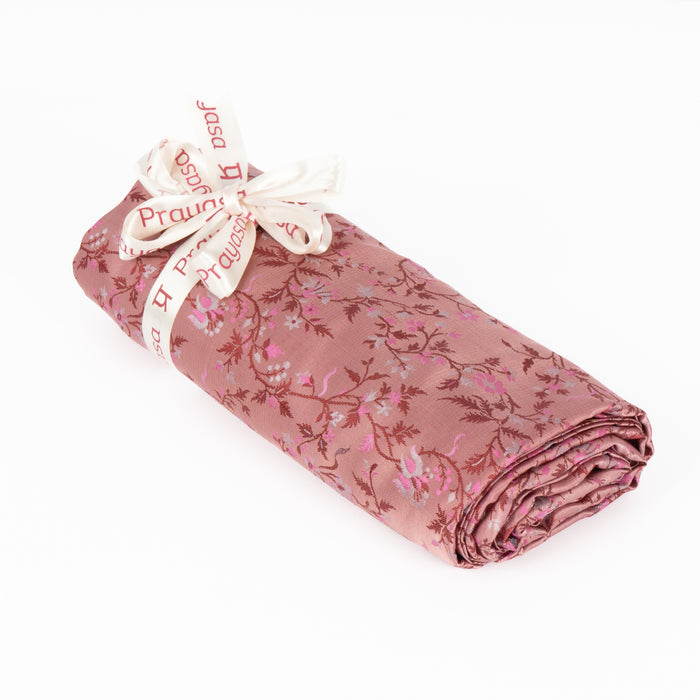
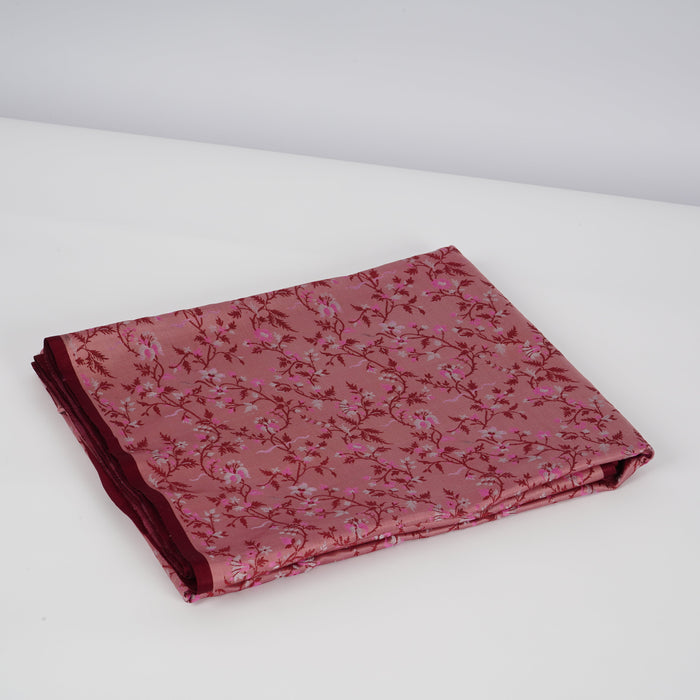
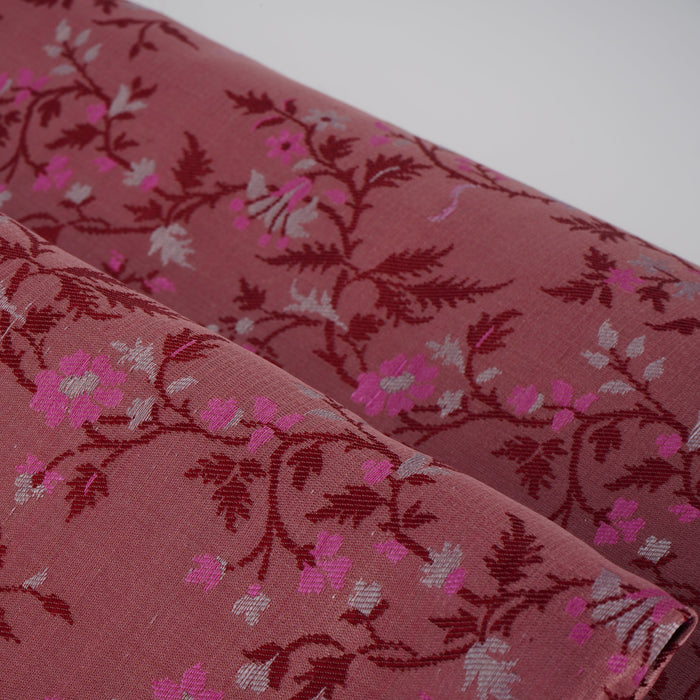

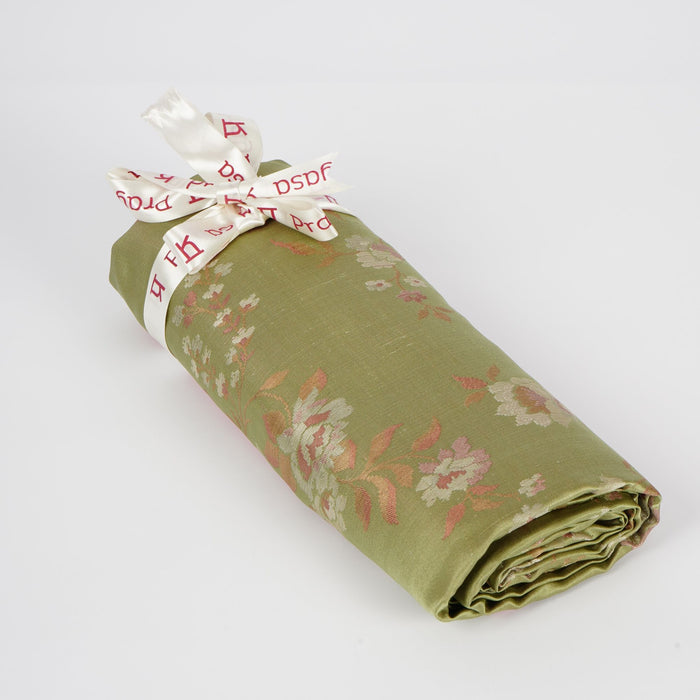

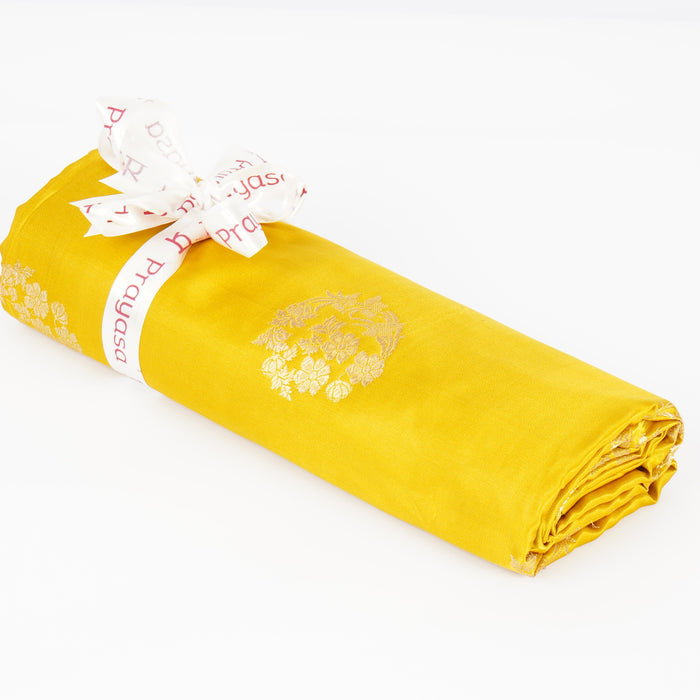
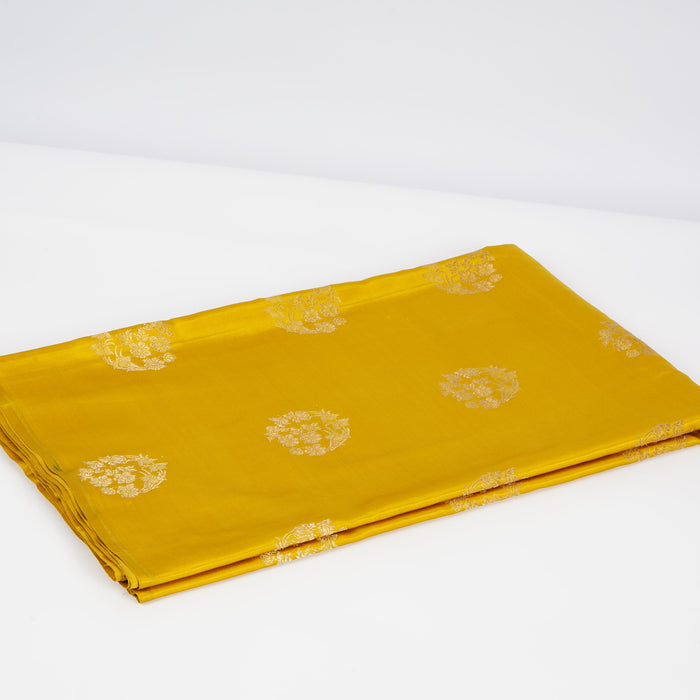

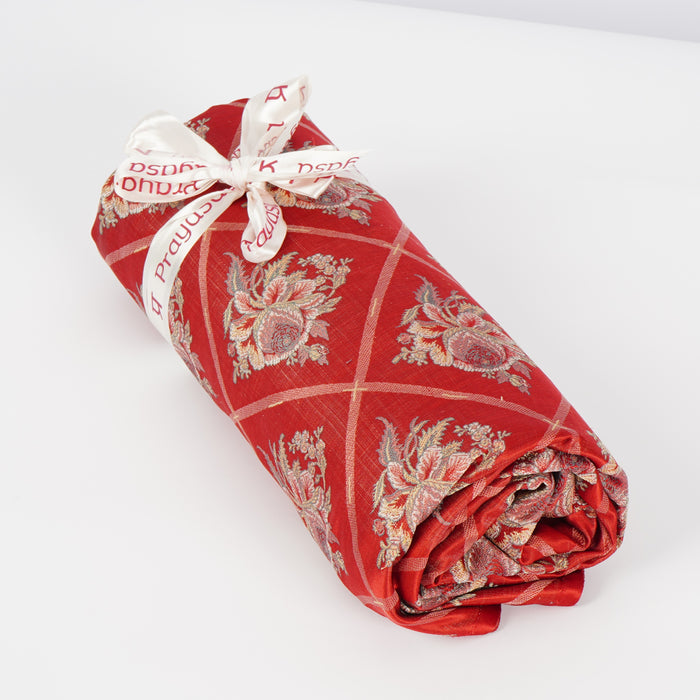
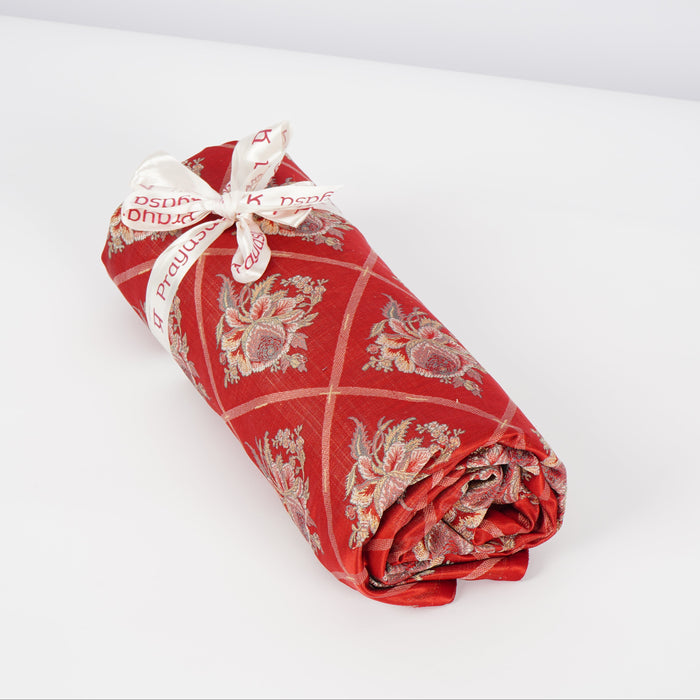
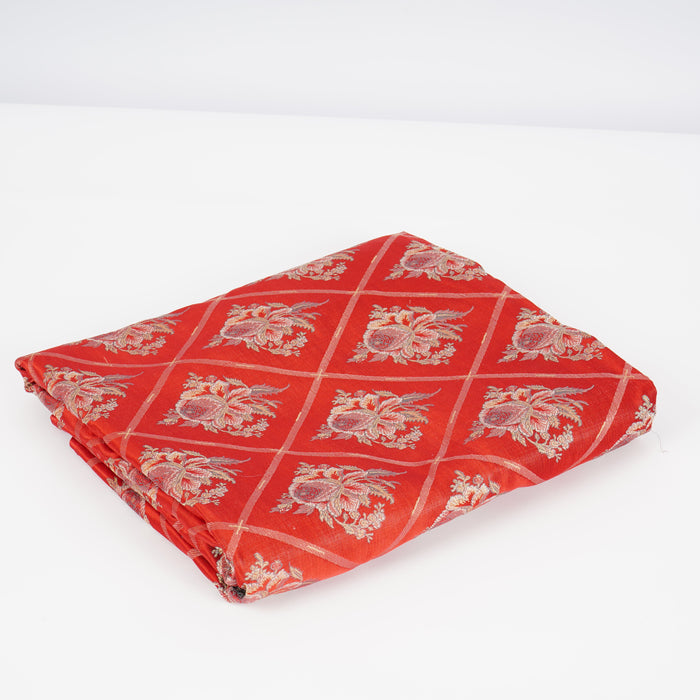

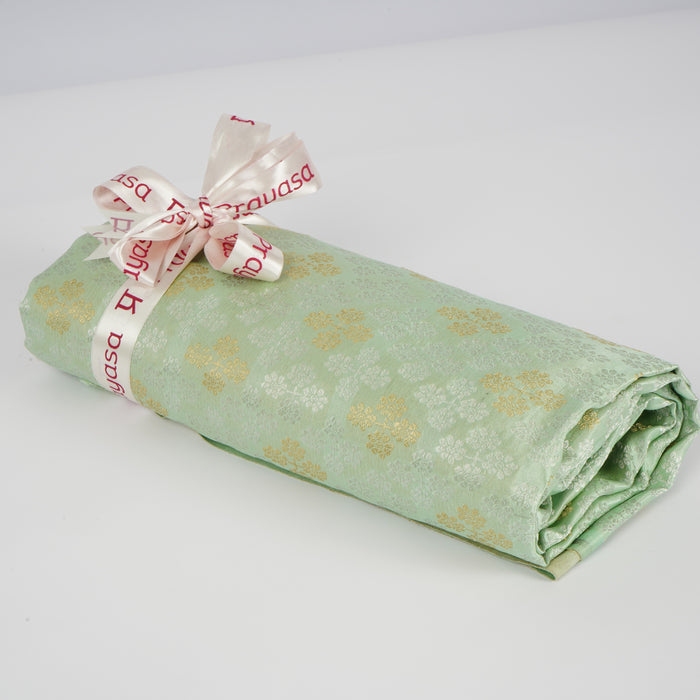
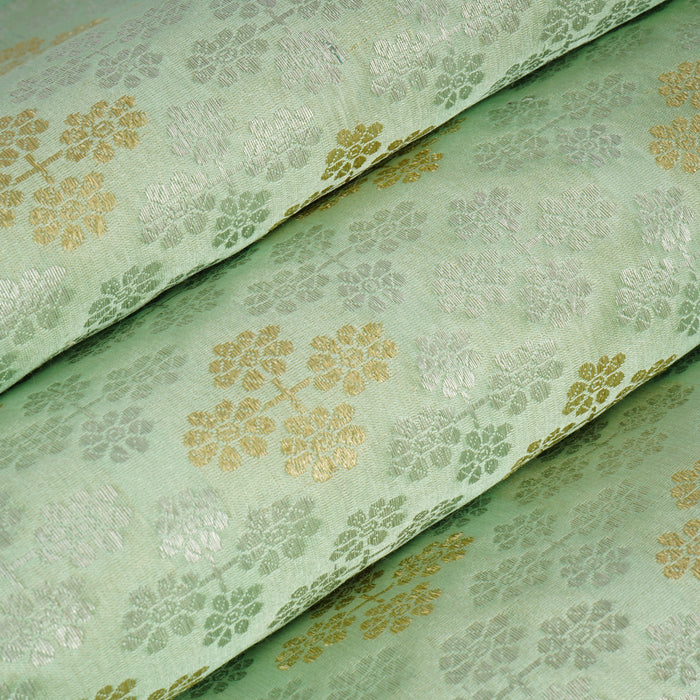

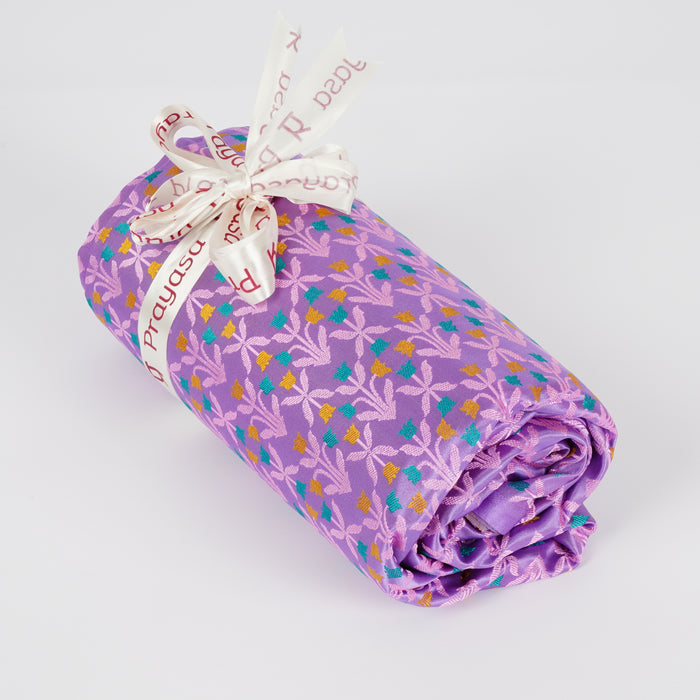
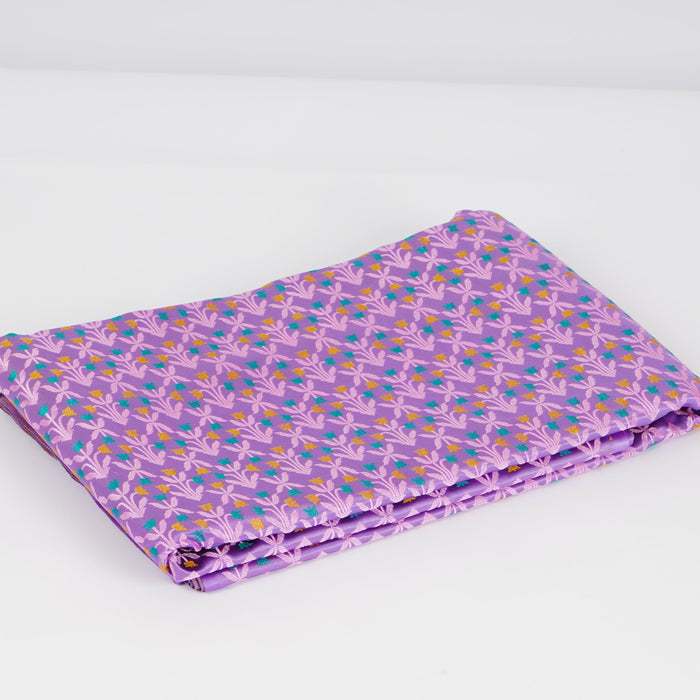
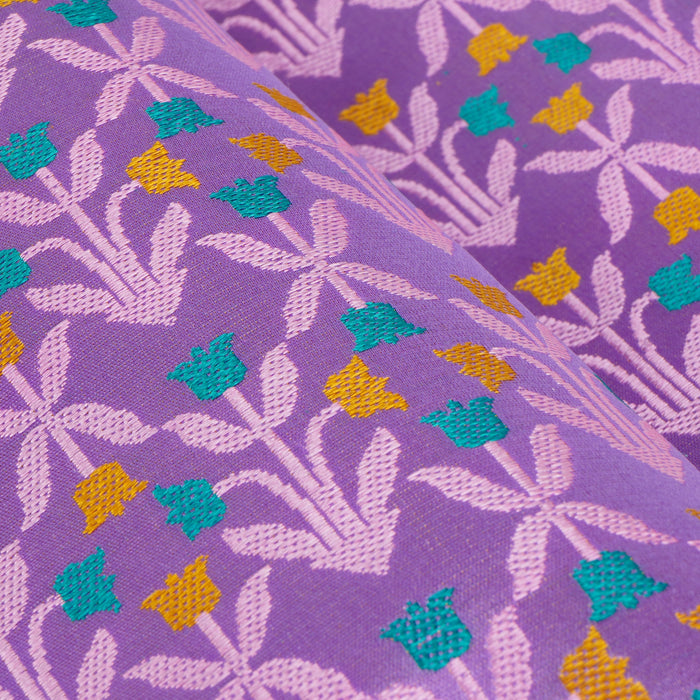

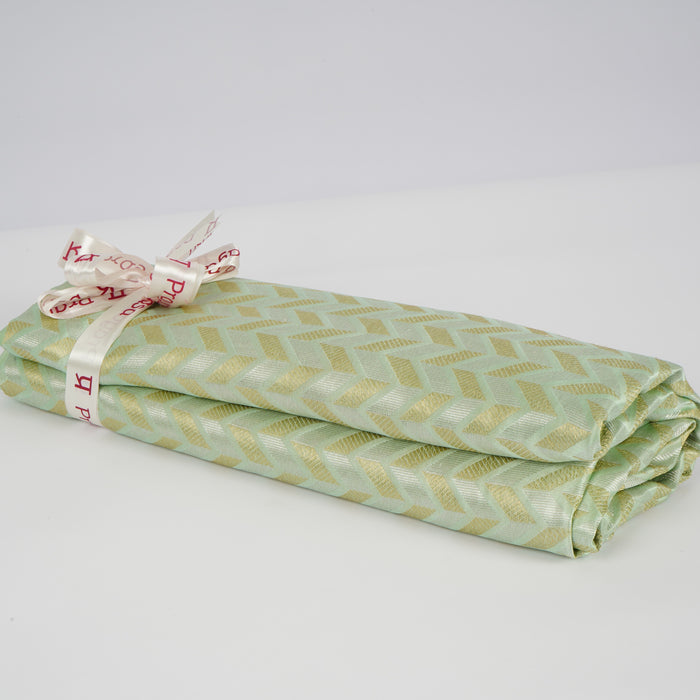
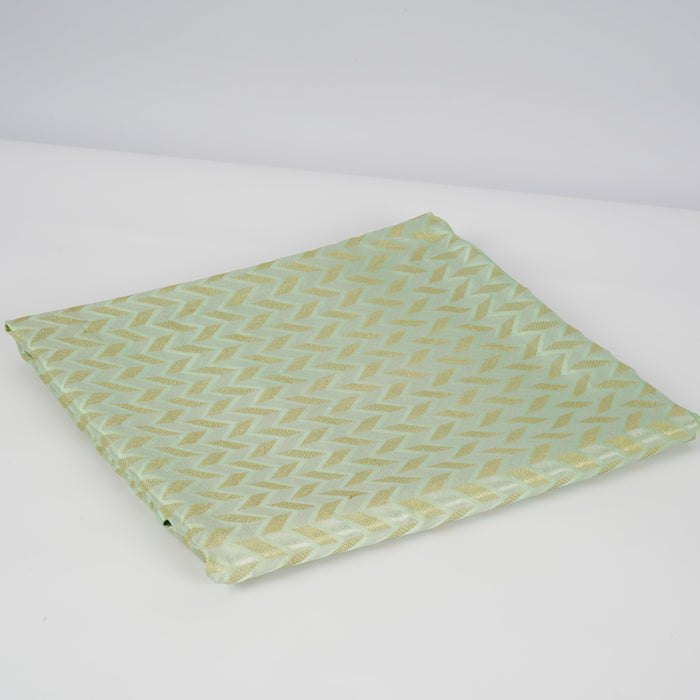
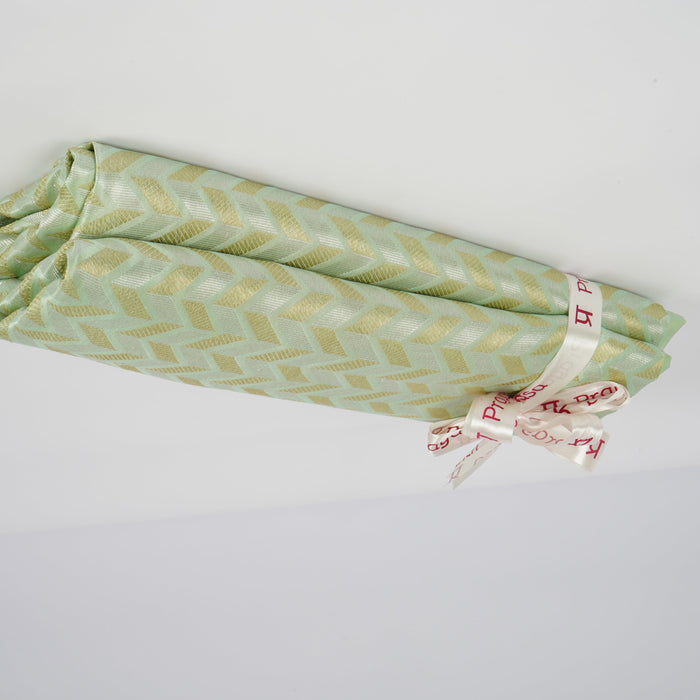

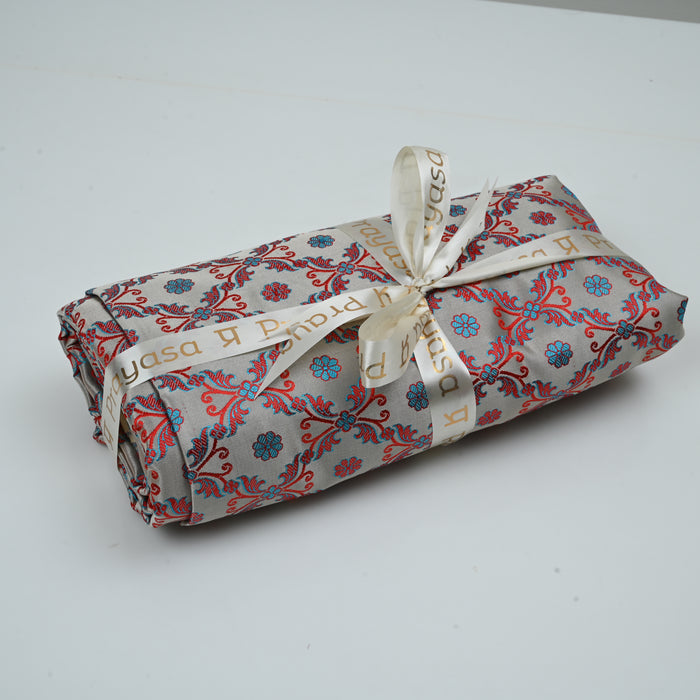
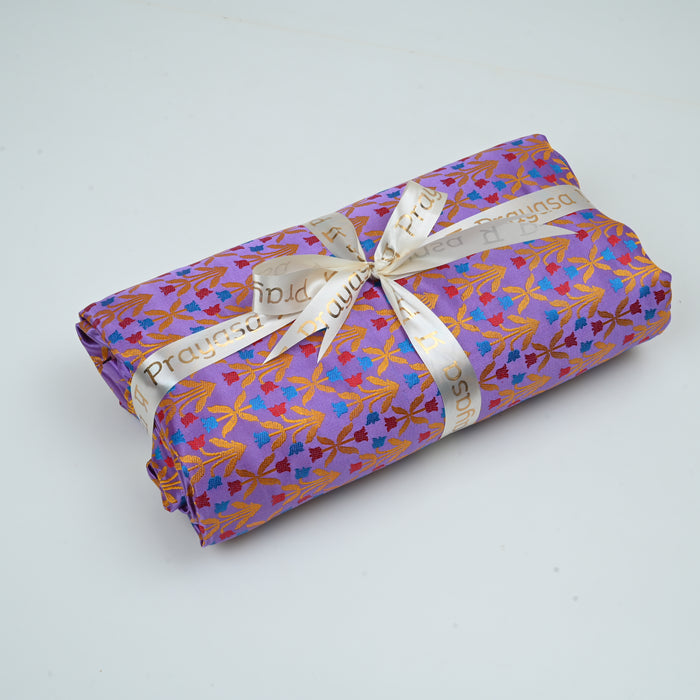
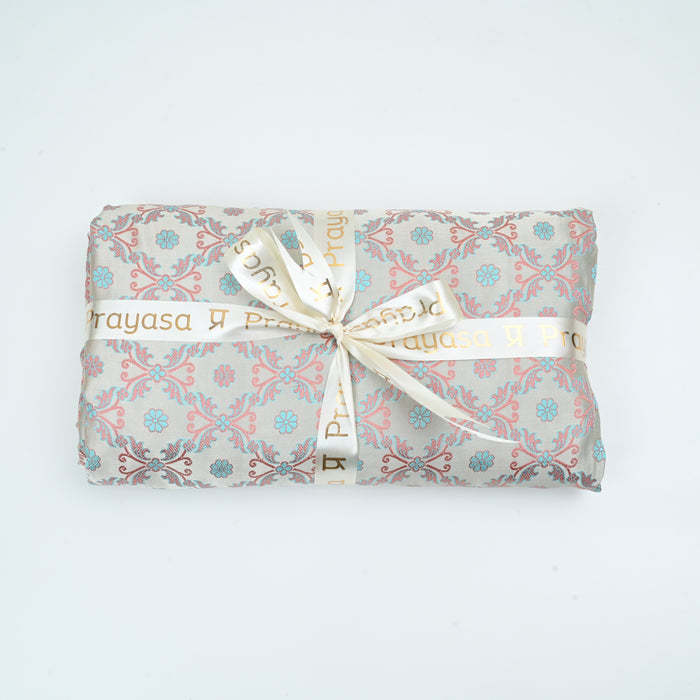

Silk fabric is one of the oldest and most luxurious textiles in the world, admired for its smooth texture, natural sheen, and exceptional strength. It is a natural protein fiber produced primarily by the silkworm Bombyx mori, which spins cocoons made of fine, continuous filaments. These filaments are carefully harvested and woven into fabric, resulting in a material that has been prized for thousands of years.
Silk originated in ancient China around 2700 BCE and remained a closely guarded secret for centuries. Over time, the knowledge of silk production spread across Asia and Europe through trade routes famously known as the Silk Road. The fabric became a symbol of wealth and status, often reserved for royalty and the elite.
The production of silk, known as sericulture, involves several stages. First, silkworms are reared and fed mainly on mulberry leaves. They then spin cocoons made of a single continuous thread, sometimes extending up to hundreds of meters in length. These cocoons are harvested, and the fibers are reeled, cleaned (degummed to remove sericin), spun into yarn, and finally woven into fabric. This delicate and labor-intensive process contributes to silk’s high value.
Silk is renowned for its unique physical and aesthetic qualities:
Softness and Smoothness: Silk fibers are extremely fine, giving the fabric a soft and gentle feel.
Lustre: The triangular structure of silk fibers reflects light, creating its characteristic shine.
Strength: Despite its delicate appearance, silk is one of the strongest natural fibers.
Breathability: It allows air circulation, making it comfortable in both warm and cool climates.
Moisture Absorption: Silk can absorb moisture without feeling damp, enhancing comfort.
There are several varieties of silk, each with distinct characteristics:
Mulberry Silk: The most common and highest-quality type, produced by domesticated silkworms.
Tussar Silk: A wild silk with a coarser texture and natural golden color.
Eri Silk: Known for its softness and eco-friendly production.
Muga Silk: A rare silk from India, famous for its natural golden sheen.
Silk is widely used in various applications due to its versatility:
Clothing: Dresses, sarees, shirts, ties, and luxury fashion garments.
Home Furnishings: Curtains, upholstery, bedding, and decorative textiles.
Industrial and Medical Uses: Parachutes, surgical sutures, and other specialized products.
Silk offers many advantages, including elegance, comfort, and durability. However, it also has some limitations. It is relatively expensive, requires delicate care, and can be damaged by prolonged exposure to sunlight or moisture.
Silk fabric remains a timeless symbol of luxury and craftsmanship. Its natural origin, combined with its remarkable properties and long cultural history, continues to make it one of the most valued textiles in the world. From traditional garments to modern fashion and industrial applications, silk maintains its reputation as the “queen of fabrics.”